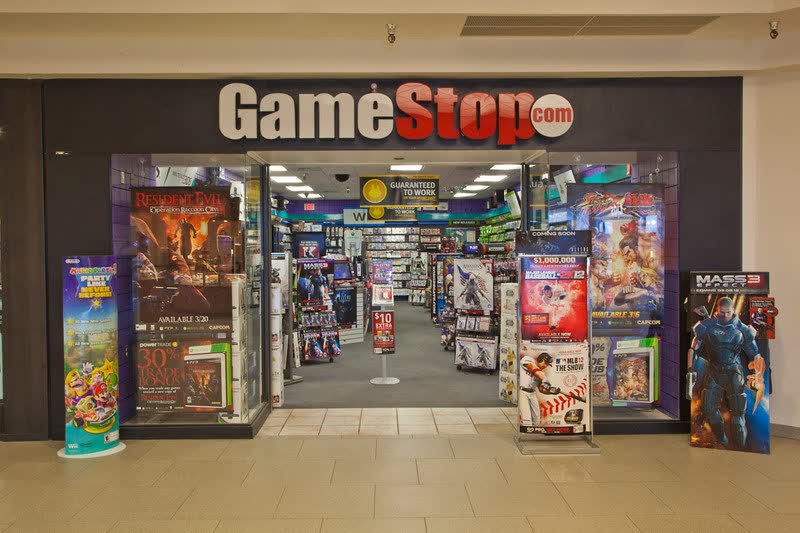
GameStop CEO Ryan Cohen said video game software now makes up less than 12% of the company's business, Nintendo Life reported. Collectibles account for more than half. In comments around larger ambitions, including talk connected to eBay, Cohen said software "mattered in the past" and is less central now.
That is a hard public admission for a chain once defined by launch-week game stacks. Physical software margins and foot traffic have been under pressure for years as downloads dominate. Collectibles, toys, and higher-margin merchandise filled shelves that used to hold day-and-date releases.
Walk into many locations and the floor already shows it. Figures, cards, and branded goods take the eye line. New releases still appear. Staff may still know games. The P&L has moved on.
Twelve percent is still meaningful revenue. Losing it overnight would hurt. Cohen's framing treats software as secondary to a collectibles-led retail business plus corporate moves. Fans already notice stores that feel light on day-one games and heavy on figures.
Inventory risk for collectibles differs from risk for a day-and-date title. Shrink patterns, hype cycles, and secondary-market competition all look different. Success depends on merchandising taste as much as publisher relationships.
If you still buy physical games, assume assortment will keep skewing away from deep software inventory. Shop early. Preorder. Use other retailers when a specific SKU matters. Trade-in values and used disc selection will keep changing.
If you follow GameStop as a stock story, watch collectibles performance and deal-making more than disc walls. The software percentage is a headline number. The harder question is whether the new mix can grow without alienating customers who still associate the brand with games.
Publishers should pay attention too. A major physical specialist de-emphasizing software changes preorder volume, marketing displays, and mid-tier titles that used to get endcaps. Digital storefronts and big-box electronics already took most of that role.
Cohen's number makes the split official. Collectibles can grow while software stays a traffic driver without being the profit engine. That is a coherent retail strategy even if it disappoints people who miss the old wall of boxes.
None of this means games vanish from the brand overnight. Marketing will still use launch titles to pull people in the door. Merchandising decisions will keep following the half of the business that is collectibles.
The quote will circulate as a punchline. Underneath it is a retailer that already reinvented its floor space. Whether that path works is a separate question from whether games still define the brand in customers' heads.