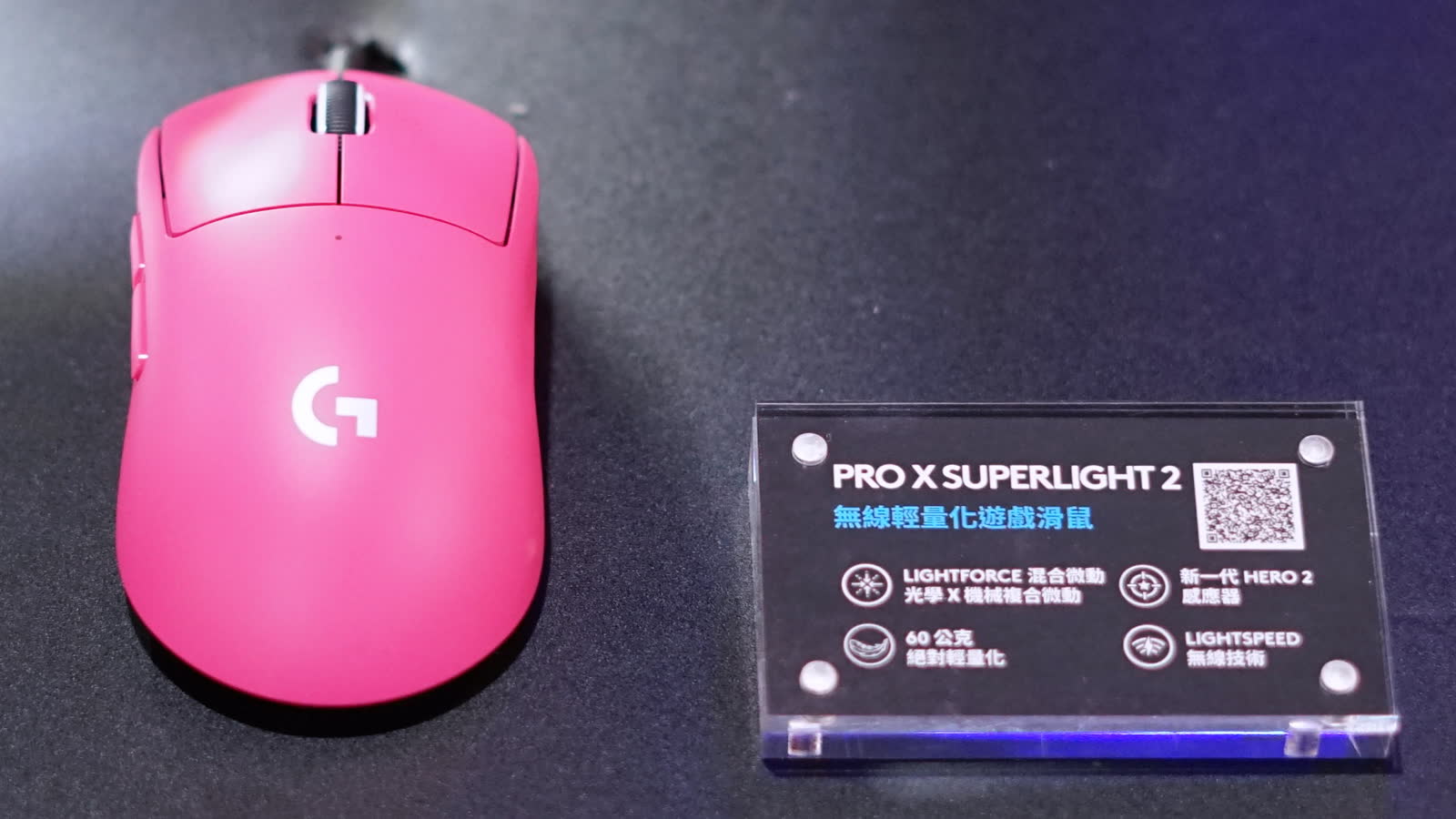
This line exists to cut bulk for aim-heavy games. Light shell, wireless dongle, esports-focused sensor marketing, few side buttons. If you need a dozen macros, this is the wrong shape of product before you even talk grams.
Competitive players praise the weight and tracking more than any other trait. Sensor performance in this class is past the point where most humans win a brand argument in a blind test. Clicks and side-button placement still split people. Some want crisper switches. Others prefer softer rivals.
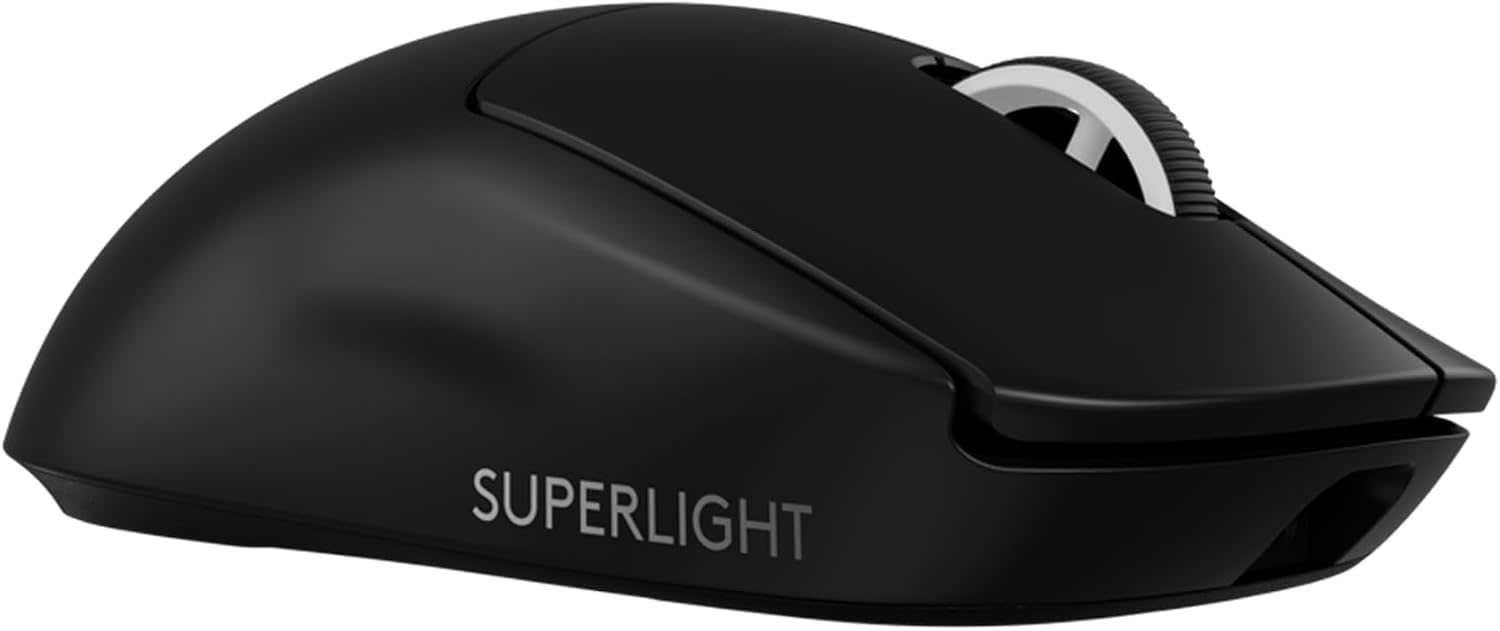
Forum threads never end on shape. Claw and fingertip users often love the flat Superlight outline. Full palm users call it too small or too flat. Photos will not settle that. A store demo or easy returns will.
Long battery life is a real fan club topic. Wireless anxiety drops when a mouse lasts through long sessions without a mid-rank charge. Stock skates and replacement feet show up as side complaints among people who maintain gear. Casual players may never care.
Praise: weight, battery, simple competitive shape, software that can stay dark and quiet. Complaints: shape mismatch, high MSRP, skates/accessories cost. Open-box and sale pricing change the value math a lot. Paying full retail without comparing current deals is how people feel burned.
Competitive discords and Amazon Q&A threads also stress that newer lightweight mice keep shipping. The Superlight is still a default shape recommendation, not an automatic best buy every week. Compare weight, shape, and live price against whatever is on sale the day you order.
Buy if you play a lot of FPS and already like the G Pro shape. Skip if you need palm support or many buttons. Check return policies. Comfort is personal even when the weight number is objective. Based on specs and recurring owner reports, not a Second Week lab loan.
Secondweek may earn a commission from amazon links