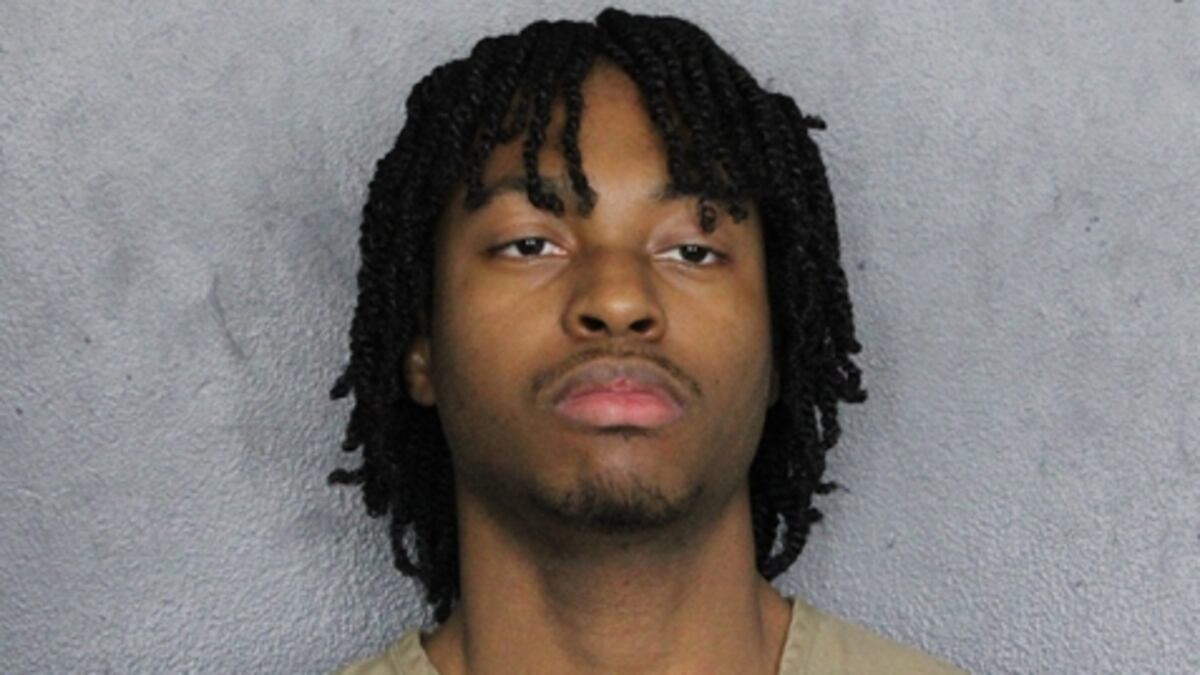
A 15-page federal complaint filed in Seattle, Valve's home circuit, charges a 21-year-old Florida man in a conspiracy that allegedly slipped malware into Steam games and emptied crypto wallets. Between May 2024 and February 2026, agents say the operation infected roughly 8,000 machines and drained at least $220,000 from about 80 wallets. The defendant is Zyaire Dontaevious Zamarion Wilkins of North Lauderdale, arrested Tuesday and known in the file as Sibel.eth. Court papers call him a student. He faces a conspiracy count for obtaining computer information for private financial gain, a charge that local reporting notes carries up to a decade in prison upon conviction. Wilkins is presumed innocent, and the case has not yet gone to trial.
The bait was a storefront gamers already have open by default. Investigators say the group listed about eight titles that looked playable, among them BlockBlasters, Dashverse, Lampy, Lunara, and PirateFi. Marketing ran through Discord, Telegram, LinkedIn, and X. Valve had already pulled some of those games after researchers flagged malware. Agents also describe bots that scanned for wallets with real balances and steered people toward the downloads.
Once a PC was infected, the malware harvested credentials. The crew used that haul to reach wallets and talk victims into approving transfers. Signal chats in the complaint put Wilkins in conversation with an unnamed primary developer. Agents claim he spent about $10,000 on a remote access trojan; it was less a custom masterpiece than a paid toolkit for a commercial crime.
Catching him did not require exotic cyber forensics. Investigators followed Bitcoin from a scheme wallet into more than 150 Bitrefill gift cards. Most were for Uber Eats, delivered directly to addresses tied to his college and home. A search of the house produced a MacBook, phones, other devices, and seed phrases, including a Monero wallet. He declined interviews, the filing says. Crypto records attributed to him show roughly $382,000 sent or received, a ledger wider than the $220,000 victim-loss figure alone.
This is the first public charge in a longer Steam malware probe. The FBI Seattle office was already asking related victims to come forward in March. The Seattle docket is where the next names will show up, if they show up at all.