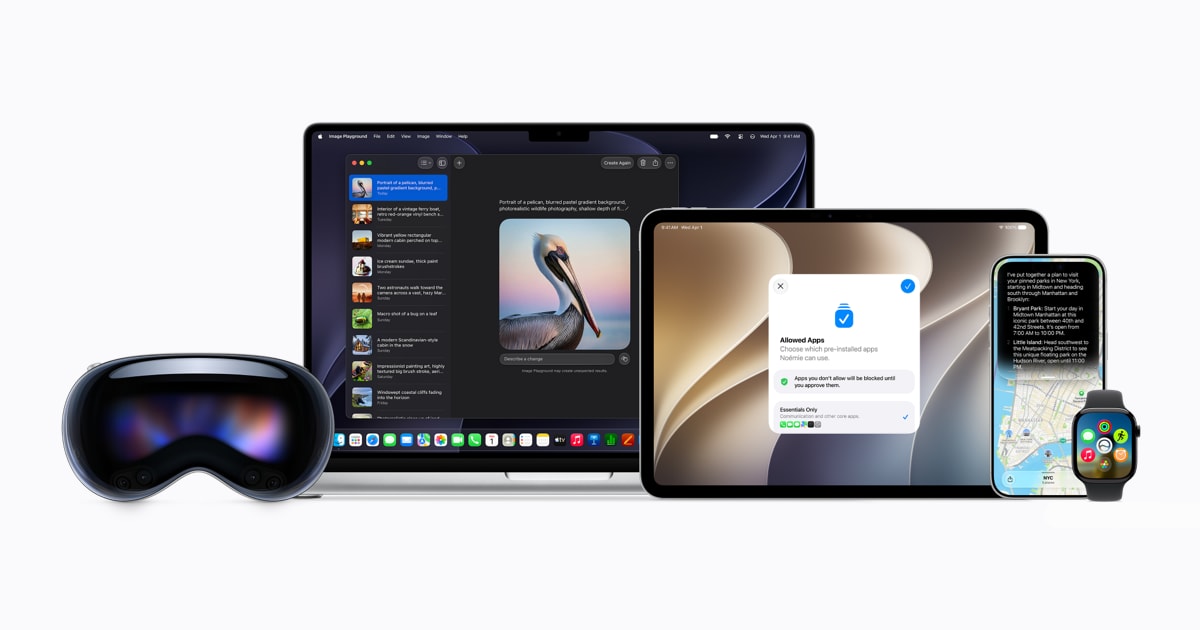
Apple previewed a Siri that can search personal information, act on content on screen, complete tasks across apps, and pull web information for broader questions. A dedicated Siri app is planned to keep synced conversation history. The pitch is large. The fine print is larger.
The assistant is tied to the next major OS wave: iOS 27, iPadOS 27, macOS 27, watchOS 27, and visionOS 27. Apple says Siri AI arrives as a beta later in 2026, starting in English. That timeline alone should slow anyone treating the keynote as a ship date for a daily driver.
Hardware limits are tighter than the software list. Supported iPhones include iPhone 15 Pro models and iPhone 16 or later. Macs and iPads generally need Apple silicon or other listed recent chips. Older devices that get the OS may not get the full Siri AI stack.
That gap between "runs the new OS" and "runs the new Siri" will confuse buyers. Regional limits matter too. Apple has said Siri AI will not initially be available on iPhone or iPad in the European Union. New AI tools will not launch in China at the same time.
Some server-backed Apple Intelligence tools will carry daily usage caps, with higher limits on many iCloud+ plans. Heavy users should read the plan matrix before assuming the assistant is free at any volume. On-screen awareness and cross-app actions are the parts that could change phone habits when they are reliable.
If you buy hardware for AI capabilities, match the device matrix and region, not the keynote montage. Beta timing also means early builds will change. Wait for public rollout notes before assuming a daily driver is ready.
If you are mid-upgrade cycle, list the phones and Macs in your household and check the matrix. Only pay for AI-capable hardware when someone will use those tools weekly. Buying a Pro model for a relative who never opens Siri wastes money.
Developers should watch app intents and on-screen action APIs as closely as consumers watch the stage. Cross-app task completion only works if third-party apps expose the right hooks. Users also have to grant permissions they understand.
Apple's pitch is privacy-centered AI with a slower, more controlled rollout than some rivals. The cost of that approach is fragmentation across countries, caps, and chip cutoffs. Plan purchases around the constraints, not the montage.
Capability only matters when it gets used. A powerful Siri that cannot reach your banking or travel apps is still a demo toy. Match purchases to weekly habits, not keynote energy.