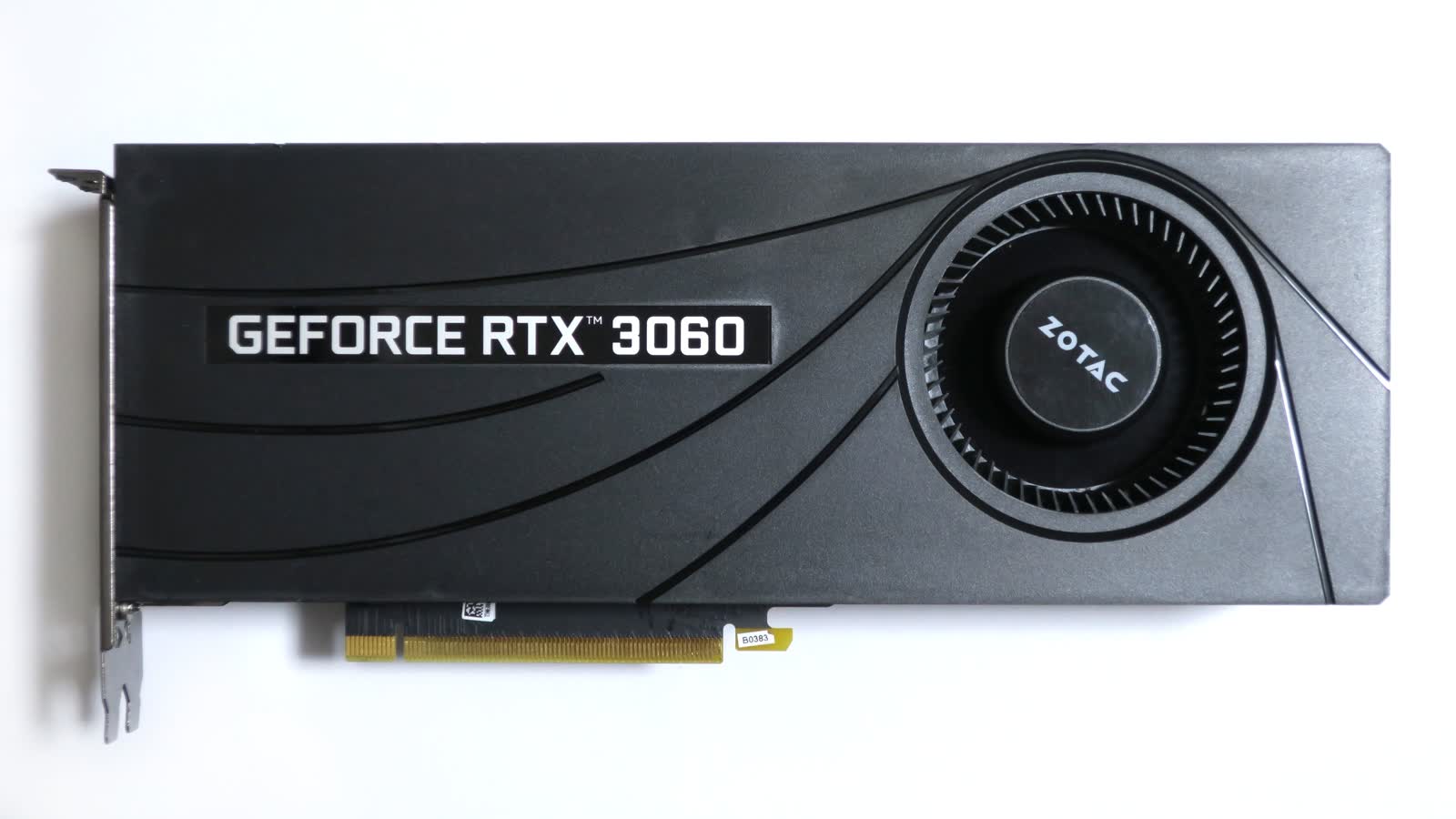
Palit announced the GeForce RTX 3060 Infinity 2 OC, bringing Nvidia's 2021 GPU back to retail in a dual-fan card. Core specs match the known 3060 recipe: thousands of CUDA cores, 12GB of GDDR6, and a 192-bit bus.
Twelve gigabytes is why people still talk about this chip. Some newer entry cards ship with less VRAM. That capacity helps in texture-heavy games and light local AI work. It does not automatically make a 3060 the smart buy in 2026.
Newer GPUs usually win on performance per watt, features, and driver longevity. DLSS versions, encode options, and efficiency gains add up over a multi-year keep. An older card only makes sense when it costs a lot less than current-generation cards.
Palit had not announced pricing in the coverage Second Week tracked. Without a real price, VRAM count and a familiar name are just marketing hooks. The "AI crisis stopgap" framing only works if the card lands cheap enough for people who need memory more than raster horsepower.
When new entry GPUs are scarce or overpriced, board partners dust off older SKUs. That can help builders finish a PC. It can also park inventory that looks attractive until you compare frame times at 1080p and 1440p against whatever is on sale that week.
If you shop budget GPUs, build a short table: price, power draw, VRAM, and a couple of game benchmarks at your target resolution. Include used 40-series inventory when local prices are sane. The 3060 return is interesting as a supply story. It is not a reason to skip that table.
Wait for real prices and a couple of independent cooler reviews before treating this as a default pick. A quiet dual-fan 3060 at the right price is a sensible stopgap. A nostalgic relaunch at near-modern pricing is not.
For light local AI, 12GB can run smaller models and some image workflows that choke on 8GB cards. Serious training or large-context work still points at newer silicon or rented cloud GPUs. Match the card to the job.
Used market pricing is the silent competitor. A clean secondhand 4060 or 3070 sometimes undercuts a new old-stock 3060 once shipping and tax are included. Do that homework the same day you see a shiny Infinity 2 listing.
Be honest about resolution and settings. Mid-range 2021 hardware can still look good when you stop forcing it into 2026 ultra presets. A 3060-class card in a small case with a modest PSU can be a fine 1080p box.